Records to make usable.
Paper files and legacy materials may need to be digitized, organized, and analyzed before the next investigative step becomes clear.
Philanthropy for answers and lasting change
We use philanthropy to work through entire defined backlogs of unidentified remains and unsolved violent crimes. We uncover what is holding cases back, fund the work to move them forward, and share what we learn so the justice system can work better for everyone.
Preparing for launch. Seeking founding support.
Understand the need
The next step may be digitizing boxes of records, analyzing existing information, testing evidence, or addressing a barrier we have yet to discover. Philanthropy gives us the flexibility to investigate the need and respond to what we find.
Paper files and legacy materials may need to be digitized, organized, and analyzed before the next investigative step becomes clear.
A case may need an evidence assessment, conventional DNA testing, advanced testing, or a different approach to the information already available.
Each intervention can reveal another obstacle. We will document those barriers and develop approaches to address them.
Our approach
Our team will assess needs, analyze information, research solutions, and document friction. Qualified partners will execute the interventions. Together, that work will help expose what needs to happen next.
Establish the scope and understand the records, evidence, and needs across the backlog.
Investigate what is preventing progress and develop an approach to the barriers.
Bring together the appropriate partners and resources to carry out the next steps.
Evaluate progress, investigate remaining bottlenecks, and adjust the approach.
Make outcomes and findings publicly useful so the lessons can benefit other backlogs.
Every case has been assessed and all appropriate available work completed, with outcomes and remaining barriers documented publicly. Our ambition is answers in every case; our reporting will show the work completed and where questions remain.
We will look for a defined backlog within our focus areas, a committed public-sector partner willing to provide access and participate, and an opportunity to deliver answers while learning lessons useful for other backlogs. The responsible agency retains control of its evidence and responsibility for the investigation.
Othram case histories
Hear directly from investigators and families about the answers and reunions made possible by Othram's work.
 Watch the full episode
Carla Walker
Follow the collaboration that turned genetic information into an investigative lead, and hear the people who pursued it describe what changed.
Watch Carla's story on Othram Studios ↗Carla's story connects to the Carla Walker Act ↗. The Senate-passed proposal would fund forensic genetic genealogy casework and equipment for public laboratories and other eligible public-sector entities.

Advancing forensic science
See how a difficult DNA mixture prompted scientists to adapt their methods and help generate an investigative lead.
Watch the full episode ↗
Defending the science in court
See an early example of Othram defending its scientific work in court, and hear from the investigators who pursued the case.
Watch the full episode ↗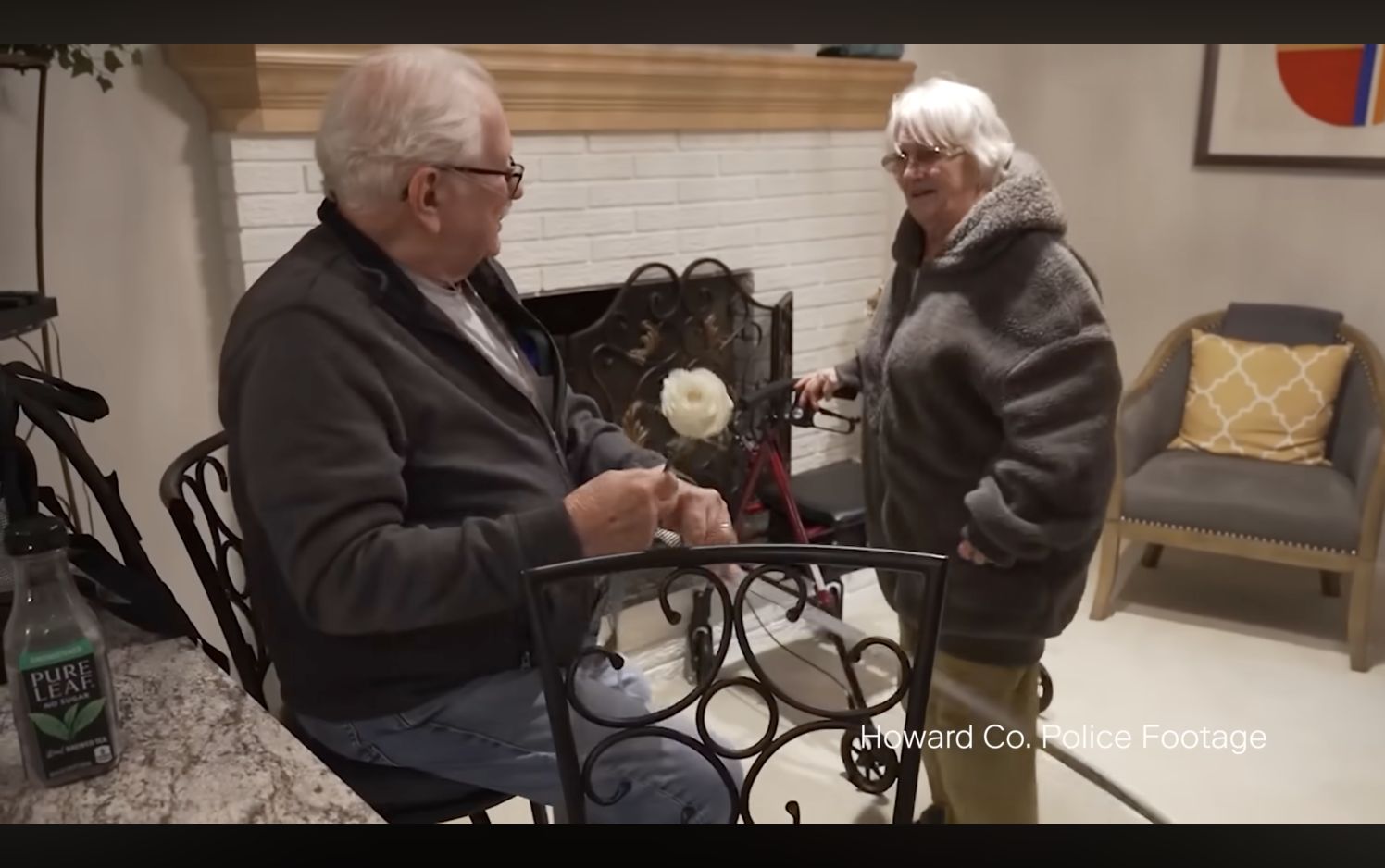
Reuniting families
Identifying Sarah helped reunite her two children, Chuck and Marie. Their reunion shows the value of an answer even as her homicide remains unresolved.
Watch the full episode ↗People and capabilities
We will begin with Othram and involve additional qualified partners as the work requires. Our team will investigate the needs and coordinate the response, drawing on a range of capabilities.

Razib brings experience in population genetics, genomics technology, and science communication. He has developed ancestry algorithms for Gene by Gene and the Genographic Project and co-founded a life sciences company.
At the foundation, Razib and the team will assess backlogs, investigate bottlenecks, coordinate qualified partners, and share findings publicly to help improve the justice system.
A stronger system
Highways connect communities. The electric grid connects power to the people who need it. Justice also depends on connected resources: usable records, capable laboratories, effective tools, and people able to act on the information.
By understanding where those connections break down, we can help guide better workflows, infrastructure, and public investment.
Public transparency
We will publish an annual impact and financial report so donors and the public can see what funding made possible and what the work taught us.
Our first-year ambition
Launch defined backlog initiatives, understand what is preventing progress, fund appropriate work, and make findings publicly accessible so the lessons can benefit the cases that follow.
Founding support
A founding gift can fund the work that brings answers to families and victims—and the research and transparency that help the justice system work better.
Flexible founding gifts help launch the foundation and support the work where it is most needed:
Online gifts will provide flexible founding support.
Help develop and fund an initiative focused on a defined backlog of unidentified remains, sexual assault cases, or homicides.
Speak with Razib about the scope, assessment, proposed work, budget, and how outcomes and remaining barriers will be documented.
Discuss a backlog initiativePrefer to email? change@hidfoundation.org
We will document what was done, what changed, and what still prevents progress. Our annual impact and financial report will show how funding was used, what outcomes were verified, and what we learned about improving the justice system.